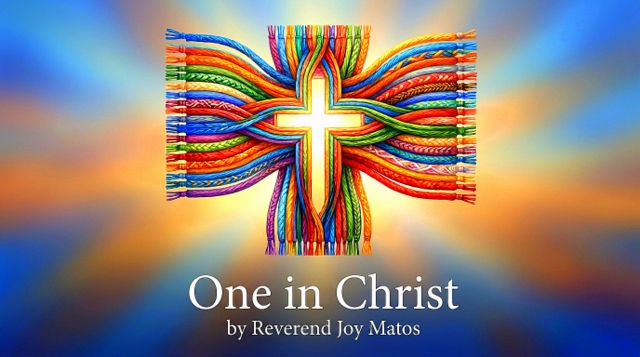
Ai View: “One in Christ” by Pastor Joy Matos 08/30/2024
1. Executive Sermon Summary
Pastor Joy Matos teaches how the early church moved from Jerusalem to a new city called Antioch. The main message is that Jesus brings all different people together as one family. Faith in Jesus breaks down walls between groups that do not usually get along. This message is very important for our church today. It shows us that we must love and help each other like a real family. This story helps us see how God changed the world by bringing people together.
2. Sermon Explainer: The Antioch Breakthrough
The city of Syrian Antioch was a massive, busy center for trade and culture. It was the third-largest city in the Roman Empire and was known as “Antioch the Golden” and the “Queen of the East.” The city featured a four-mile main street paved in marble. Notably, it was the only city in the ancient world with streets that were lit at night. While it was a place of great wealth, it was also known for its moral challenges and pagan worship. This unique environment made Antioch the perfect “melting pot” for the Holy Spirit to begin a multi-ethnic movement that would reach the ends of the earth.
2.1 The Expansion of the Word The spread of the Gospel began with the persecution following the death of Stephen. As believers fled, they traveled to Phoenicia, Cyprus, and Cyrene. Initially, they only spoke to other Jews. However, when some reached Antioch, they began preaching to Greeks as well. This was a massive shift. The “Lord’s hand” was with these believers, showing that the Holy Spirit was the driving force behind this expansion. This move beyond Jewish circles proved that God’s Word was not meant to stay in one place or with one group of people.
2.2 The Ministry of Barnabas When the leaders in Jerusalem heard about the growth in Antioch, they sent Barnabas to check on the progress. Barnabas, whose name means “Son of Encouragement,” was a Levite known for his extreme generosity and for previously vouching for Saul (Paul) when others were afraid of him. When Barnabas arrived, he saw the “grace of God” in action and was filled with joy. Instead of being suspicious of the new Gentile converts, he encouraged them. He eventually went to Tarsus to bring Saul to Antioch, recognizing that this growing, diverse church needed strong teachers.
2.3 The First “Christians” In Antioch, the disciples were called “Christianoi” for the first time. This Greek term means “Messiah people” or “Christ people.” A new name was needed because this group did not fit old categories; they were a radically equal community of Jews, Greeks, slaves, and free citizens. To understand how earthshattering this was, one might compare it to Jews and Muslims worshiping together in the same room today. Their common loyalty to Christ (the Christos) was the only thing that mattered, creating a brand-new identity that transcended race and social class.
2.4 Faith in Action The reality of this new “family” was proven when a prophet named Agabus predicted a severe famine during the reign of Claudius. The believers in Antioch did not just pray for the people in Judea; they acted. Even though they were 400 miles away and from different backgrounds, they viewed the Judean believers as literal family members. They organized a relief effort and sent gifts through Barnabas and Saul. This “radical newness” showed that being “One in Christ” means taking care of brothers and sisters across all ethnic and geographic barriers.
This historical account from the Book of Acts serves as a blueprint for how the modern church should live out its faith through inclusivity and active care.
3. Analytical Perspective
The primary rhetorical strength of this sermon is its ability to transform a 2,000-year-old narrative into a practical model for modern congregational life. By highlighting the “Antioch model,” the sermon validates contemporary mission programs—such as those providing tools and blankets through Church World Service—as essential expressions of the Gospel. Ultimately, the message argues that true Christian identity is found when a community moves beyond its local enclave to embrace a global, supportive family.
4. The Scriptural Foundation
The following verse serves as the theological “north star” for this document, as it highlights the divine approval that accompanied the first major outreach to non-Jewish people.
“The Lord’s hand was with them, and a great number of people believed and turned to the Lord.” (Acts 11:21)
This verse validates the theme of “One in Christ” by showing that God’s favor specifically followed the act of breaking traditional boundaries. It confirms that the movement toward a diverse and unified family was not a human invention, but a result of the Holy Spirit’s power working through those who dared to preach the good news to everyone.